-
Vacancies and moves
-
News and events
-
Vision 2026
-
Vision Refresh
-
History, background and Vision Update 2021-24
-
Vision 2026 Key themes
-
Vision 2026 Parish Toolkit
-
Strategic Development Funded Projects
-
-
Investment Programme
-
What we do
-
Giving
-
Life Calling
-
Growing Leaders
-
Opportunities to Explore
-
Lay Majority Ministry
-
Whole life discipleship
-
Ordination
-
-
About us
-
Women in Ministry
-
Contact us
-
Meet the Diocesan Office teams
-
Our deaneries - Blackburn Archdeaconry
-
Our deaneries - Lancaster Archdeaconry
-
Our diocesan finances
-
Our wider church family
-
Our governance structures
-
-
Resources
-
Human Resources
-
Liturgy and church services
-
Creation Care and Net Zero Roadmap
-
For lay ministry
-
Senior clergy talks, articles and sermons
-
For clergy
-
Communications resources
-
Discipleship, prayer and worship
-
Parish Finance
-
Parish administration and governance
-
Community transformation
-
Being witnesses (parish mission resources)
-
Church buildings, land and legal matters
-
Parish Vision Fund
-
-
Safeguarding
Quicklinks
-
Vacancies and moves
-
Vacancies and moves
20th July 2026
The Church of England in Lancashire marks the end of its 'Vision 2026 Transforming Communities'
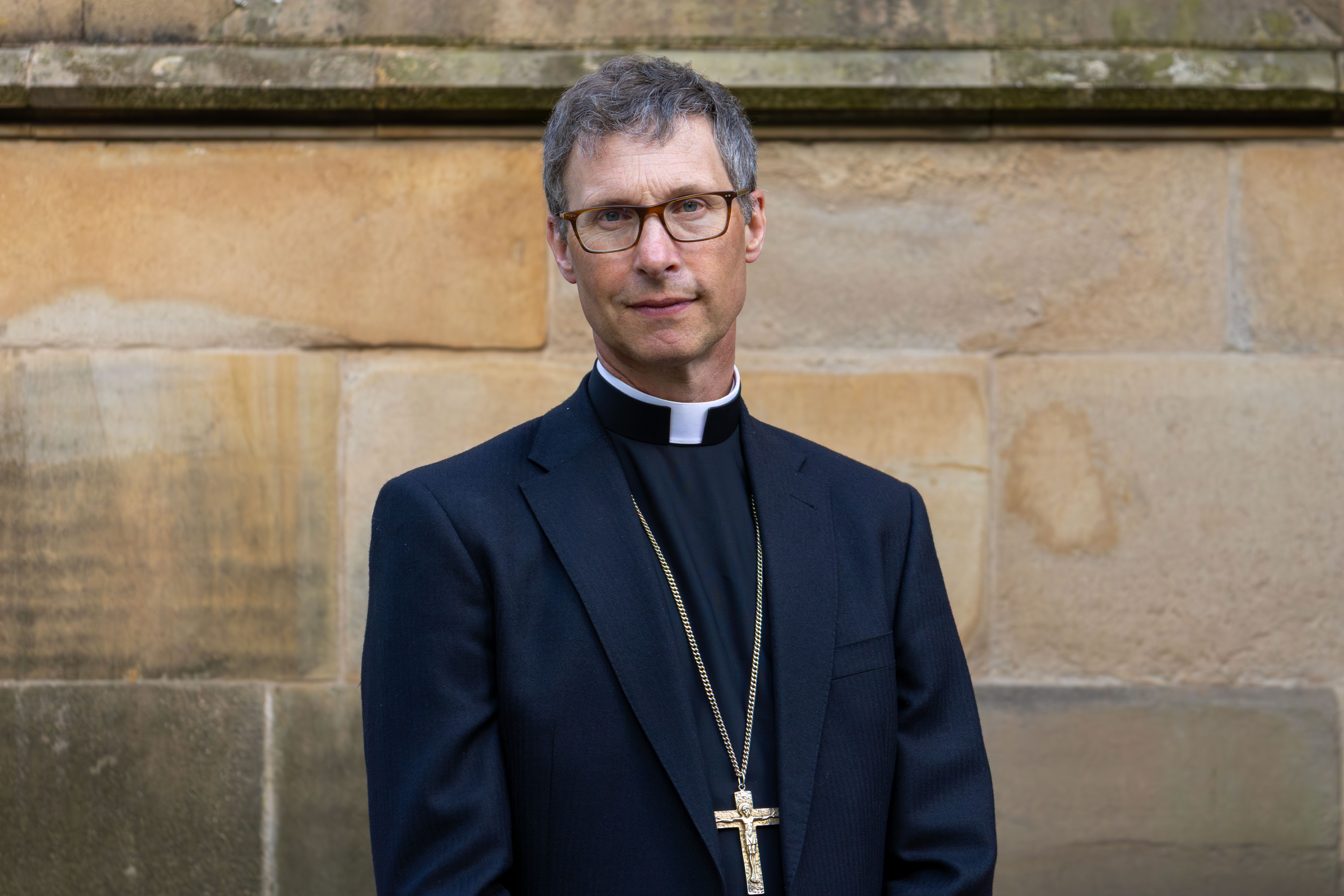 The latest meeting of the Diocesan Synod for The Church of England in Lancashire celebrated the achievements of the last decade as the Diocese reaches the end of its ‘Vision 2026: Healthy Churches Transforming Communities’.
The gathering at the weekend, at St Bartholomew Church in Blackburn, reviewed the Vision’s impact across Lancashire while anticipating the launch of a new diocesan vision later this year.
Synod members heard from Rt Rev. Philip North, Bishop of Blackburn, who used his Presidential Address to reflect on the legacy of Vision 2026. The full text of Bishop Philip’s Presidential Address is available here on the Diocesan website.
Meanwhile, in the weeks leading up to Diocesan Synod, the Diocese has shared a series of 'Vision 2026 Stories' across its social media channels featuring clergy, lay leaders and church members from across Lancashire; all reflecting on what the vision has meant in their local contexts.
The social media stories highlight the many different ways Vision 2026 has inspired churches, schools and communities.
Synod members, who together form part of the key governing body, also received a comprehensive document reviewing Vision 2026. The document had been prepared by the Diocese's Director of Vision Delivery, Carolyn Barton and highlighted significant achievements during the life of the Vision in more detail.
In his Address, Bishop Philip identified 10 highlights of Vision 2026, including ...
- a major cultural shift towards growth and mission;
- maintaining clergy numbers;
- the creation of more than 200 new congregations;
- the Diocesan Renewal Programme;
- innovative discipleship resources;
- the development of new lay leadership pathways;
- successful clergy and support staff recruitment;
- increased investment in children and young people placing them at the centre of the collective life of the Diocese;
- a renewed commitment to prayer
- and – crucially – securing more than £30 million in national church funding for mission and ministry.
Reflecting on Vision 2026’s lasting significance, Bishop Philip said: “The most exciting thing of all is that this Vision has brought people to faith in Jesus Christ who would not otherwise have come to know him. That must always remain our vision.”
The impact of the vision at a parish level is also illustrated in the many Vision 2026 social media stories; all of which are still available to view on Facebook here.
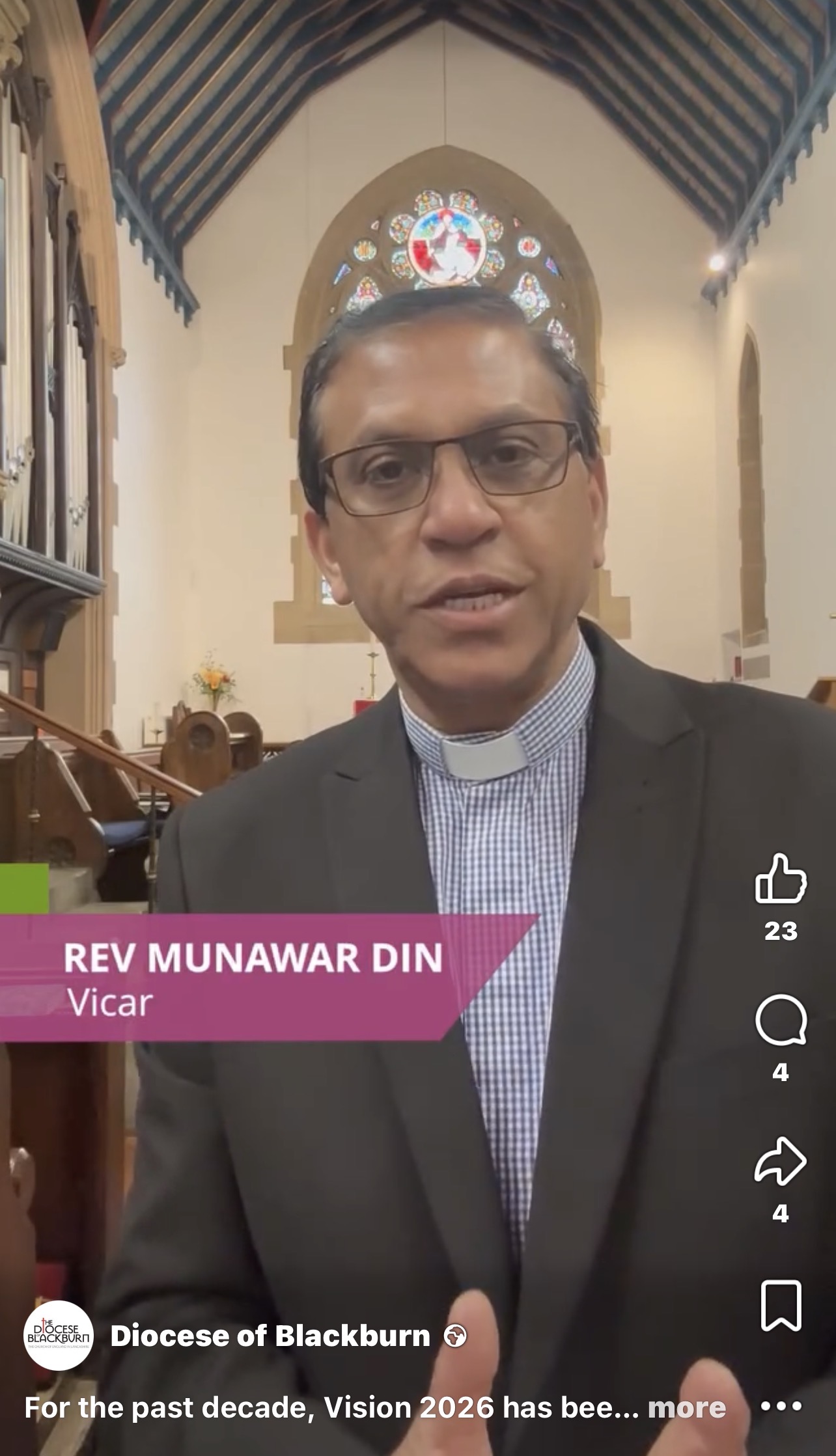 They include one from Rev. Munawar Din, from St Luke's, Brierfield, and St Cuthbert's, Burnley, who spoke about how Vision 2026 encouraged ministry in culturally diverse communities.
He said: "Vision 2026 has also been lived out to serve culturally and ethnically diverse communities.
“We were encouraged to begin a monthly All Nations Worship attended by people from different backgrounds as we seek to be a truly intercultural church representing the communities we serve. All this, so that people may come to know Jesus personally and become joyful followers of him."
And Rev. Carolyn Leitch, from St Nicholas' Church, Fleetwood, who describes how intentionally praying the Vision Prayer helped transform ministry among children and young families.
Carolyn says: "When I arrived in Fleetwood, we had very little connection with young families and so as a church we committed to praying the Vision prayer with great intention.
"Before long, we were able to launch our preschool church with the help of Thornton Christ Church and the first week at St Nick's Little Gang and before long that group was flourishing, so much so that we were able to then launch our Sunday 4pm service, a natural progression for our families from Little Gang.
"Now we also have a bespoke youth centre in the grounds of St Nicholas' Church, where we connect with over 400 young people and leaders each month.
"So praying that Vision prayer intentionally has now brought great hope to future generations in this community."
Mark Ashley is Deputy Churchwarden at All Saints, Appley Bridge and he reflected on how the Vision supported smaller churches and strengthened links with local schools.
He said: "We focused on reaching out to our village community, using the tools and supporting information that consistently appeared from the Diocese over the 10 years of the Vision.
"The advice on providing new styles of worship and effectively communicating with people new to the Christian faith and sharing the fundamentals of the gospel message became a locked-in feature of our church life.
"Vision 2026 led us to a constant stream of answers, support and resources. We are undoubtedly in a better place now than we were a decade ago."
No strategy or initiative ever stands still so, while celebrating significant progress, both the Bishop’s Presidential Address and the review paper also acknowledged that challenges remain and these will be picked up as the new Diocesan Vision launches in November.
The Bishop concluded his Address with thanks to all those, known or unknown, who had led and contributed to Vision 2026 over the last decade, including Rt Rev. Julian Henderson, his predecessor as Bishop of Blackburn.
Speaking after Synod had concluded, Bishop Philip added: “We have a profound sense of gratitude to God for all that has been achieved across Lancashire during the last decade.
“The Diocese feels very different from how it did in 2015. Across our traditions and contexts there is a renewed confidence in sharing the Gospel, a deeper commitment to prayer and a stronger expectation that God can and does bring growth.
 “We have seen new congregations established, new leaders raised up, children and young people placed at the heart of our mission and churches encouraged to step out in faith and try new things.
“Most importantly, we have seen people come to know Jesus Christ who might never otherwise have encountered him.
“We now look towards the launch of our new Vision in November this year and all that God is calling us into as we journey towards 2027 and beyond.”
Ronnie Semley, July 2026